Draw Rider: Physics Puzzle Game
Reviews
💡Draw Rider offers a refreshing blend of drawing and physics puzzles. The ability to design your own route encourages creative problem-solving, while the trial-and-error gameplay keeps you engaged. The progressive difficulty introduces new obstacles at a good pace, and the satisfying feedback makes each successful ride feel rewarding. A great choice for casual puzzle fans.
Description
Game Introduction
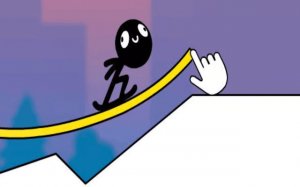
Draw Rider is a casual physics-based puzzle game that combines creative drawing with dynamic skateboarding action. The core objective is to guide a rider along a hand-drawn path from a starting point to a finish line, navigating through various obstacles and gaps. What makes it unique is that players actively design the route themselves, turning each level into a personalized puzzle where the line you draw determines the success of the ride. The game emphasizes trial and error, encouraging experimentation with different line shapes and curves. Players must plan ahead to avoid obstacles and maintain momentum, with each successful ride feeling rewarding.
How to Play
To play, players typically touch or click to draw a continuous line from the rider's starting position. Once the line is released, the rider follows the drawn trajectory automatically. Success requires planning ahead to avoid obstacles and maintain momentum. If the first attempt fails, players can quickly redraw and try a different approach. The game encourages experimentation with different line shapes and curves to find the optimal path.
Game Features
Drawing-based navigation allows players to create custom paths for each level. Physics-driven challenges require careful planning and timing. Progressive difficulty introduces new obstacles and gaps as players advance. Creative problem-solving is encouraged, as multiple solutions may exist for each level. Satisfying audiovisual feedback enhances the gameplay experience, making each successful ride feel rewarding.
Tips for Success
Start by observing the level layout before drawing to identify key obstacles and gaps. Use smooth, flowing curves to maintain the rider's speed and balance. If your initial path fails, analyze what went wrong and adjust your line accordingly. Practice helps you understand how the game's physics respond to different drawing angles and lengths. Don't be afraid to experiment with creative routes, as unconventional lines often lead to success.