Rope Draw Puzzle
Reviews
💡Rope Draw stands out with its simple yet strategic gameplay. The 120 levels are well-designed, gradually increasing in complexity to keep you engaged. The hint system is a thoughtful touch, helping without giving away solutions. The Fun mode adds creativity and replay value, making this a solid choice for puzzle lovers who enjoy spatial challenges.
Description
Game Introduction
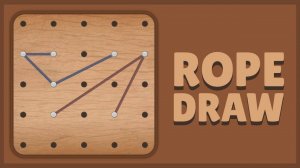
Rope Draw Puzzle is a logic-based puzzle game that challenges players to rearrange rope segments on a board to match a target pattern. The core objective is simple: slide ropes in four directions until their positions align with the given arrangement. What makes this game unique is its blend of straightforward mechanics with increasingly complex spatial reasoning, offering a calming yet mentally engaging experience for puzzle enthusiasts.
How to Play
Players typically start by studying the target pattern displayed on the screen. To move a rope segment, tap or click on it and then push it up, down, left, or right. The rope slides until it hits an obstacle, such as another rope or the edge of the board. The goal is to recreate the exact configuration shown. If you get stuck, a hint system can reveal the first move, helping you learn the puzzle's logic without giving away the full solution. Trial and error is encouraged, as experimenting with different moves often reveals the correct sequence.
Game Features
As a puzzle game, Rope Draw Puzzle includes a series of levels that gradually increase in difficulty. The game may offer a hint system to assist players when needed. The controls are intuitive, designed for easy pick-up-and-play. The visuals are clean and family-friendly, creating a peaceful atmosphere. Some puzzle games of this type also include additional modes or challenges to extend replayability, though specific details depend on the final version.
Tips for Success
Start with the easier levels to fully understand the sliding mechanics. Pay close attention to the target pattern before making any moves, as planning ahead can save time. If you find yourself stuck, use the hint system sparingly to learn the logic rather than skipping the challenge. Experiment with different sequences, as a single wrong move can often be undone by trying a different approach. Regular practice will sharpen your spatial reasoning and improve your problem-solving skills.