
Domain Control Tactical Simulator
Review
Domain Control Tactical Simulator offers a satisfying loop of gathering, building, and commanding. The resource economy creates meaningful choices from the first minute, and the unit variety allows for creative army compositions. Defensive towers add a layer of spatial strategy that rewards map awareness. The desktop controls are responsive, and full-screen mode helps maintain focus. While it may not break new ground, it executes its core ideas well. Players who enjoy thoughtful planning mixed with real-time adjustments will find plenty to appreciate here.
About
Resource Gathering & Economy
Players begin each session by collecting raw materials from the game map. Gold and stone are the primary resources, obtained by interacting with designated nodes. These materials form the foundation of your economy, funding every structure and unit you deploy. Efficient collection early on sets the stage for a strong mid-game presence. Without a steady flow of resources, even the best plans fall short. The map layout influences where you can gather, adding a layer of spatial awareness to economic decisions.
Defensive Construction
Once resources are secured, players can erect defensive towers at key locations. These structures serve as anchors for your territory, protecting vital areas from encroaching forces. Towers can be upgraded or equipped with ranged units to increase their effectiveness. Placing them in chokepoints or near resource nodes maximizes their value. The choice of tower placement directly impacts how easily opponents can breach your lines. A well-planned network of defenses creates a safe zone for resource gathering and unit staging.
Unit Recruitment & Composition
Players recruit units from a menu, selecting from types such as melee fighters, ranged attackers, and magic users. Each unit type has distinct strengths and weaknesses. Melee units excel in close-quarters engagements, while ranged units provide support from a distance. Magic users can turn the tide with area effects or buffs. Balancing your army composition is critical. A force heavy on one type may struggle against a mixed opponent. Experimenting with different combinations reveals tactical advantages in various scenarios.
Tactical Decision Making
Success hinges on knowing when to fortify and when to push forward. Players must read the battlefield and adapt to changing conditions. Scouting the map reveals enemy positions and resource availability, informing your next move. Micro-managing units during skirmishes can reduce losses and preserve momentum. Each decision carries weight, as resources are finite and mistakes compound over time. The game rewards patience and foresight, but also demands decisive action when opportunities arise.
Desktop Control & Immersion
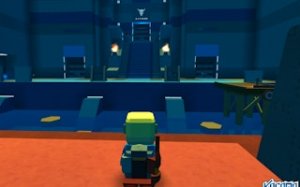
Designed for keyboard and mouse input, the game offers precise control over unit placement and resource management. A full-screen mode enhances focus by removing desktop distractions. The interface is streamlined, allowing players to quickly access build menus and unit commands. This setup suits the game's pace, which blends methodical planning with bursts of real-time action. The desktop format ensures that every click and keystroke translates directly into in-game outcomes.




Comments
Sign in to leave a note
You must be logged in before posting a review or rating.
No account? Create one
No comments yet. Be the first to comment!